
Best fixed rate isa rates in 2025
- Nyheter
Explore the top fixed rate ISA rates for 2025, up to 4.28% AER on 1-year terms from providers like Virgin Money and Nationwide. Lock in tax-free returns with our comparison…

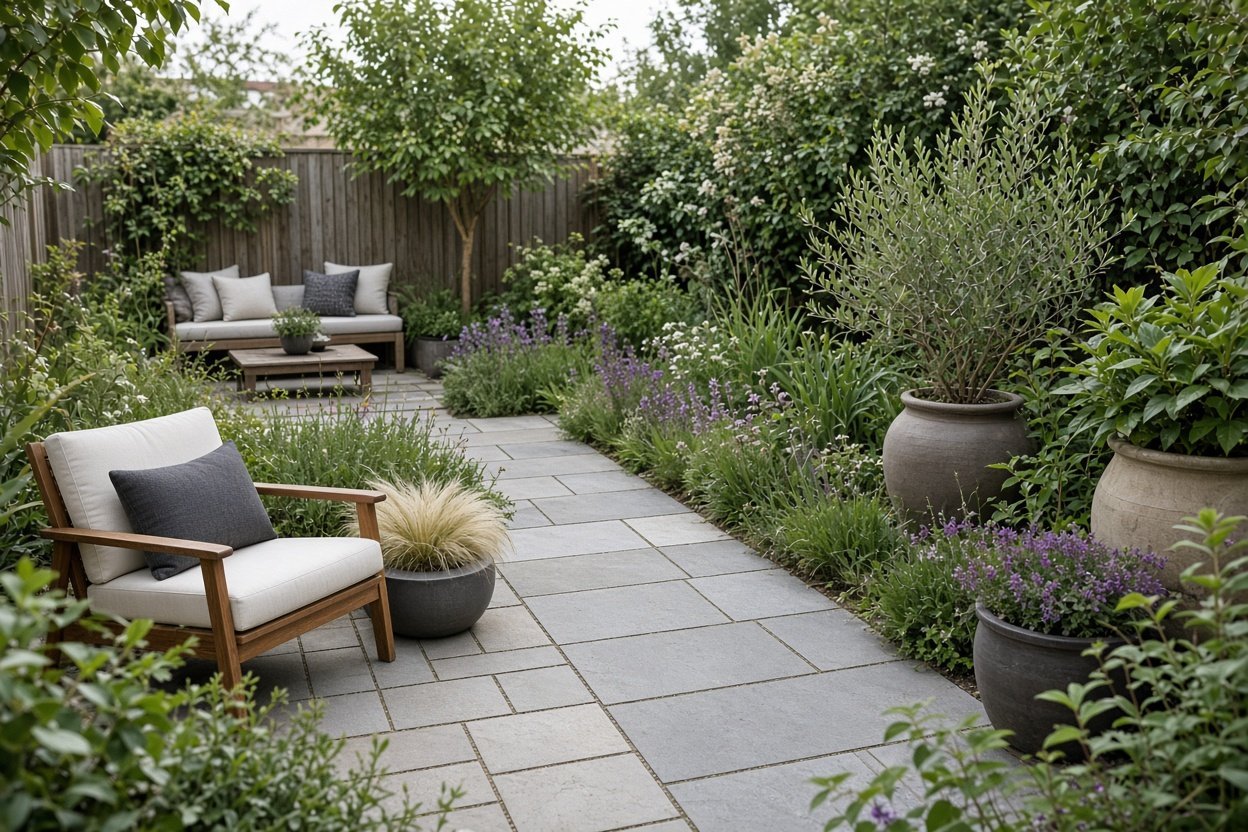

The best garden design ideas start with how you use the space. Decide whether the garden is mainly for sitting, entertaining, growing plants, moving between the house and shed, or combining several functions. Build the layout around those priorities.
Good garden design balances hard landscaping—paths, walls, seating areas, water features and decking—with soft landscaping. This includes plants selected for their requirements, growth habit, mature size and seasonal interest. The RHS garden design guidance also stresses how these elements should work with surrounding features.
| Idea | Best for | How the layout works | Maintenance direction |
|---|---|---|---|
| Simple zoned garden | Most household gardens | Divide the space into sitting, circulation and planting areas | Keep each zone clear and uncomplicated |
| Large border and useful surface | Small gardens without children | Replace a small lawn with a border and a reasonably sized paved, gravelled or decked area | Can reduce the work of keeping a small lawn in good condition |
| Modern statement garden | Contemporary homes | Use one confident feature as the visual focus | Fewer competing elements simplify the design |
| Productive garden layout | People who want to grow plants | Place beds where access, light and soil conditions suit the chosen plants | Put work-intensive areas close to the house or shed |
| Container-led front garden | Very small front gardens | Use a clear route to the door with selected planters and a defined boundary | Choose larger pots to reduce watering frequency |
These are starting frameworks rather than fixed styles. Repeat a material, shape or plant group where it helps the garden feel connected, and leave out features that have no clear purpose.
Give a small garden one strong structure before adding detail. A straight or gently curved route can connect the house, seating area and shed, while one focal point draws the eye and encourages exploration. It can also distract from an unattractive feature or create an impression of greater depth.
A practical small garden layout might use a reasonably sized paved, gravelled or decked area beside a larger border. In a garden without children, this can require less maintenance than keeping a small lawn in good condition. Use the surface for seating and concentrate planting rather than scattering small beds throughout the space.
Choose plants for their actual conditions. Light and soil matter: lavender, for example, suits sunny, free-draining soil. Containers add planting without changing the whole ground plan, while larger pots and raised planters generally need watering less often than smaller containers.
For small garden ideas photos, study images that show the whole layout. Notice where the path begins, how much room remains for movement and whether the seating area is large enough for its intended use.
Modern garden design works best when the composition is restrained. Use a limited number of materials, repeat a shape or planting form, and give one feature visual priority. The RHS guidance on modern and minimal gardens recommends one confident statement feature instead of several competing features.
Possible statement features include a seating area, strong boundary, water feature, tree or carefully framed view. Leave enough surrounding space for the feature to read clearly. Modern does not have to mean bare: combine hard landscaping with plants suited to the available light, soil and mature size.
Start by deciding how much time you can give to gardening and which functions matter most. The RHS low-maintenance gardening advice recommends designing around those decisions rather than paving over the entire garden. No garden is completely maintenance-free; the aim is to remove unnecessary tasks and choose lower-input alternatives.
For a budget garden, buy smaller plants where practical. The RHS budget guidance says they generally cost less and can catch up with larger plants within a few years. Hedges can provide wildlife habitat, security and an adjustable boundary; some varieties can also grow in containers.
A front garden with a driveway needs a clear relationship between parking, the entrance and the boundary. Keep the route to the front door obvious, then use planting or a hedge to define edges without confusing movement. Concentrate detail near the entrance and use containers where ground space is limited.
Larger containers dry out less quickly than smaller ones. Choose plants according to the light and soil at the front of the house, and keep the planting scheme simple enough to read from the road. Draw pedestrian and vehicle routes first, then place beds, pots and boundaries around them.
A useful layout begins with functions, not decoration. Mark the areas needed for sitting, access, planting and storage, then check that they connect without awkward detours.
This method works for a back garden, vegetable garden layout or front garden. It also makes budget decisions easier because essential areas are identified before decorative extras.
UK trend coverage for 2026 highlights climate-resilient planting, foraging gardens and oversized pots. These are sources of inspiration, not universal design rules: each idea still needs to suit the available light, soil, space and maintenance time.
For a longer-lasting design, combine a current idea with stable structure such as a clear path, usable seating area, defined boundary or coherent planting scheme.
Several browser-based garden planners can turn an idea into a scaled layout. GardenCAD offers a free browser planner for drawing beds and structures on a scaled grid, adding real plants and modelling sun, shade and hardiness-zone information. Planner 5D’s garden planner supports 2D and 3D layouts with plants, trees, paths, patios, decks and furniture.
Garden Planner describes its browser tool as free, with no signup required, and includes lawns, gravel, decking, beds, paths, fences, walls, patios, raised beds and furniture. Permapeople’s planner allows scaled beds and shapes, plants from a database, paths and structures in a browser without signing up.
A practical three-part summary is to design for function, create unity and proportion, and keep the layout simple and purposeful. These ideas bring together the RHS principles of unity, balance, scale and proportion, movement, repetition and simplicity. A focal point can then guide the eye, encourage exploration or create an impression of greater depth.
Begin with the garden’s functions and the amount of maintenance time available. Draw the plot to scale, including the house, boundaries, existing trees, doors and shed. Mark sun and shade, soil and drainage, then add paths, seating, beds, lawn and storage. Place labour-intensive areas near the house or shed, choose a focal point, and match plants to their mature size, growth habit and site requirements.
UK garden-trend coverage for 2026 highlights climate-resilient planting, foraging gardens and oversized pots. Modern and minimal design also remains focused on simple layouts and one strong statement feature. Treat these as ideas to adapt: the available light, soil, space and time for maintenance should determine whether a trend is suitable.
Yes. GardenCAD provides scaled planning with plants and sun, shade and hardiness-zone information. Planner 5D offers 2D and 3D garden layouts, while Garden Planner provides drag-and-drop lawns, beds, paths, patios, fences and furniture. Permapeople lets users draw scaled beds and shapes, place plants from a database and add paths and structures in a browser.