
Understanding fixed rate ISAs
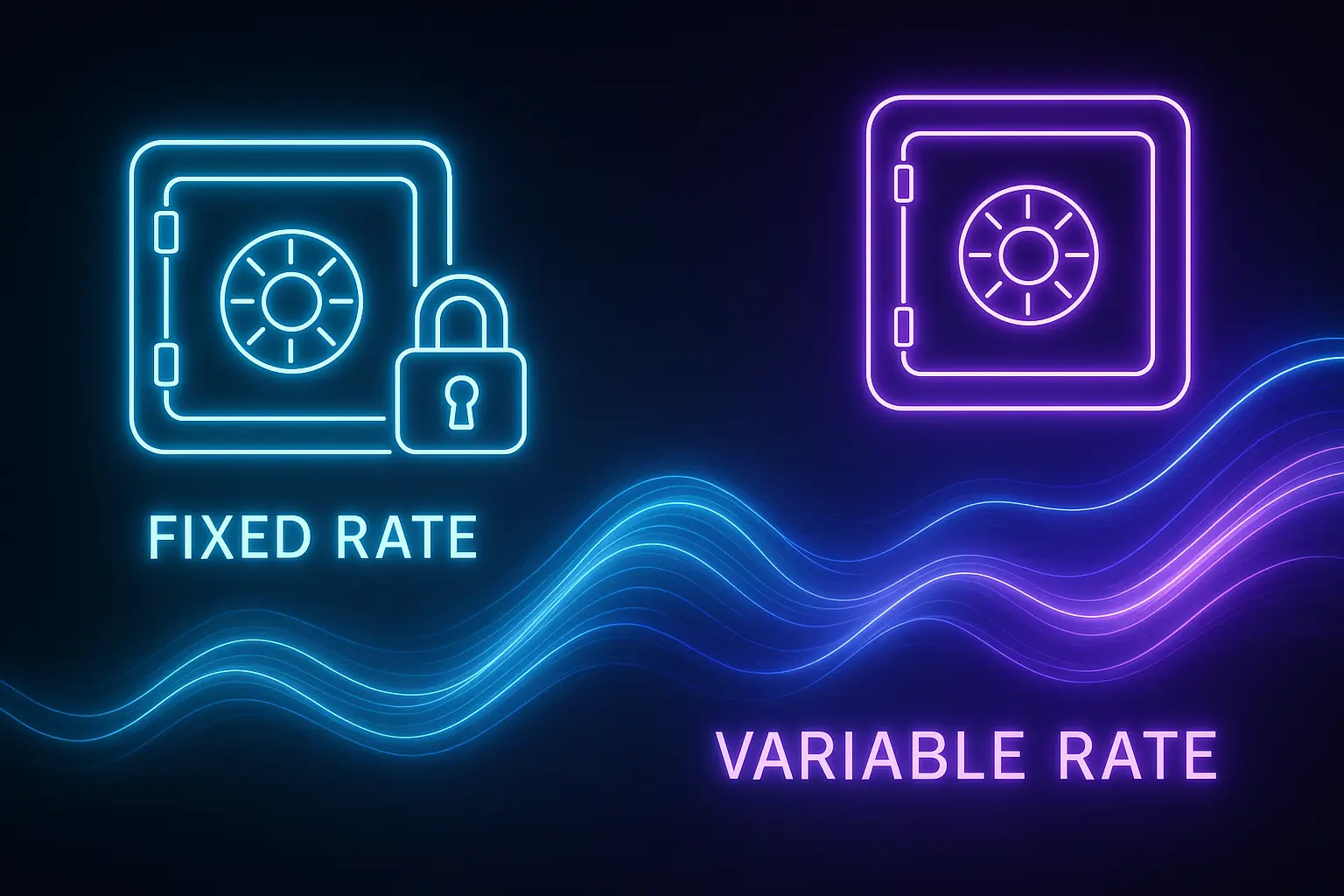
Fixed rate ISAs lock in your interest for a set period, providing stability in your tax-free savings. An Individual Savings Account (ISA) is a UK government scheme allowing up to £20,000 per tax year in tax-free interest, as per GOV.UK rules. Fixed rate cash ISAs suit savers who want predictable returns without market fluctuations.
Key features
These accounts offer a guaranteed Annual Equivalent Rate (AER), the standard measure of interest over a year. Terms typically range from six months to five years, with longer terms often yielding higher rates. Withdrawals usually incur penalties, such as loss of interest, ensuring funds stay committed. The £20,000 ISA allowance applies across all ISAs, fixed or otherwise.
Pros and cons
Pros include rate security against Bank of England base rate cuts, ideal for long-term planning. Cons involve limited access, potentially tying up emergency funds. As of 2025, top fixed rate ISAs reach 4.27% AER, per Moneyfactscompare.co.uk, but early withdrawal could forfeit gains.
- Guaranteed returns protect against falling rates.
- Higher potential AER for longer terms.
- Simple for risk-averse savers.
- Penalties deter impulsive access.
Tip: Choose a one-year fixed rate if you foresee needing funds soon but want better than variable rates now.
Best current rates
Top providers like Santander offer 2-year fixed at around 4% AER. For the latest, check Moneyfactscompare’s fixed rate ISA guide. Rates vary by provider; compare eligibility before applying.
Understanding variable rate ISAs
Variable rate ISAs fluctuate with market conditions, offering flexibility for accessible savings. These often include easy-access options where you can withdraw anytime without penalty, aligning with short-term needs in your cash ISA portfolio.
Key features
Interest tracks the Bank of England base rate or provider discretion, paid monthly or annually. No fixed term means full liquidity, but rates can drop suddenly. Like fixed options, they fall under the £20,000 annual ISA limit.
Pros and cons
Pros: Instant access suits emergency funds; potential to switch to higher rates. Cons: Unpredictable drops could erode earnings, especially if base rates fall. Current best easy-access variable rates hit 4.51% AER, according to Moneysavingexpert.com.
- Full withdrawal flexibility.
- Opportunity to chase better deals.
- Lower initial rates than fixed in stable markets.
- Sensitive to economic shifts.
Best current rates
Leeds Building Society provides competitive variable options up to 4.2% AER. For updates, visit Leeds Building Society’s cash ISAs page or MoneySavingExpert’s best cash ISA guide.
Fixed vs variable: direct comparison
In fixed rate ISA vs variable ISA debates, fixed options win for certainty while variable excels in adaptability. Both earn tax-free interest up to the £20,000 allowance, but your choice hinges on access needs and rate outlook.
Interest rate stability
Fixed rates guarantee your AER, shielding against 2025 projections of base rate cuts. Variable rates, like easy-access at 4.51%, may start higher but risk decline. Over 15% of UK savers max their ISA, with higher earners preferring fixed for stability (GOV.UK, 2023 data).
Access and flexibility
Variable ISAs allow penalty-free withdrawals, perfect for liquidity. Fixed impose terms, with penalties up to 365 days’ interest. Fixed rate ISA vs variable rate often tips toward variable for short-term goals.
Tax implications
Neither affects taxes—interest is always tax-free within limits. However, fixed lock-ins prevent mid-term shifts, potentially missing variable uplifts.
| Aspect | Fixed Rate ISA | Variable Rate ISA |
|---|---|---|
| Average AER (2025) | 4.27% | 4.51% |
| Term Length | 6 months–5 years | No fixed term |
| Withdrawal Penalty | Yes (interest loss) | No |
| Best For | Long-term stability | Short-term access |
Choosing based on your goals
Match your ISA to goals: fixed for retirement, variable for emergencies. Variable vs fixed rate ISA suits dynamic needs, while fixed rate ISA vs variable rate favors security.
Short-term vs long-term savings
Short-term savers (under 1 year) benefit from variable flexibility. Long-term (3+ years) lock in fixed rates to beat inflation.
Risk tolerance
Low-risk users pick fixed for predictability; higher tolerance opts for variable to potentially gain more.
Economic factors
With possible 2025 rate cuts, fixed secures yields. Monitor Bank of England announcements.
Top providers and how to switch
Recommended: Santander for fixed (up to 4% on 2-year), Yorkshire Building Society for variable balance. See Yorkshire Building Society’s cash ISAs.
Comparison table
Use the earlier table; for details on best fixed rate isa options.
Eligibility
UK residents aged 18+ qualify. Check provider criteria.
Transfer process
Contact new provider; they handle it free within ISAs. Learn fixed rate isa rates first. For opening, see how to open fixed rate isa.
Frequently asked questions
What is the difference between fixed and variable rate ISAs?
Fixed rate ISAs guarantee a set interest rate for a term, while variable rate ISAs fluctuate with market conditions. This core distinction affects stability and access: fixed suits locked savings, variable offers flexibility. Both provide tax-free growth up to £20,000 annually, per GOV.UK.
Are fixed rate ISAs better than variable rate ISAs?
It depends on your needs—fixed excel in falling rate environments like potential 2025 cuts, locking 4.27% AER. Variable may outperform initially at 4.51% but risk drops. Higher-income savers often choose fixed for reliability, as 15% max allowances (GOV.UK stats).
When should I choose a fixed rate ISA over a variable one?
Opt for fixed if planning long-term without withdrawals, securing against base rate changes. In fixed rate ISA vs variable ISA, choose it for goals like house deposits over 2 years. Variable fits if you need quick access for emergencies.
What are the current best fixed rate ISA rates in the UK?
As of October 2025, top rates reach 4.27% AER for terms up to 1 year, from providers like those on Moneyfactscompare.co.uk. Compare across 100+ options for your term. Rates change; verify latest for optimal tax-free returns.
How do interest rates affect my ISA choice?
Rising rates favor variable for potential gains; falling ones make fixed protective, as implied in MSE analyses. Bank of England base rate influences both, impacting £10,000 savings by hundreds yearly. Assess economic forecasts to align with goals.
Can I switch from a fixed to a variable rate ISA?
Yes, but early exit from fixed incurs penalties, losing interest. Transfers to variable maintain tax-free status within allowance. Providers like YBS facilitate free switches; plan around term ends for minimal loss.
What risks come with variable rate ISAs in 2025?
Main risk is rate drops if base rates fall, reducing earnings below fixed alternatives. Unlike fixed, no guarantee, but flexibility allows moving to better deals. For risk-averse, blend both: fixed core, variable buffer.