What is a high-yield savings account in the UK?
A high-yield savings account offers higher interest rates than standard savings accounts, helping your money grow faster through compound interest. In the UK, these are often called easy-access or high-interest savings accounts, with rates measured by AER (Annual Equivalent Rate), which accounts for daily compounding. As of October 2025, top rates reach up to 5.00% AER, far above the average 3.12% easy-access rate from Q3 2024, according to the Bank of England.
Unlike regular savings accounts that might pay just 1-2%, high-yield options let you withdraw funds anytime without penalty, ideal for emergency funds. However, rates can vary and are not fixed, so they may drop with Bank of England base rate changes. Over 70% of UK adults have a savings account, but only 25% opt for high-interest ones, missing out on better returns, as per the FCA’s 2023 Financial Lives Survey.
Eligibility requirements for opening a high-yield savings account
To open a high-yield savings account in the UK, you must be at least 16 years old and a UK resident, though some providers accept 18+. You’ll need proof of identity like a passport or driving licence, and address verification such as a utility bill. Most accounts do not require a credit check for basic personal savings, but joint accounts or those with overdraft links might involve one.
Non-residents or those with bad credit can still qualify for many easy-access accounts, but options are limited. Always check the provider’s terms; for instance, FSCS protection applies only to eligible UK institutions, covering up to £85,000 per person if the bank fails, as outlined by the FCA.
Step-by-step guide to opening a high-yield savings account online
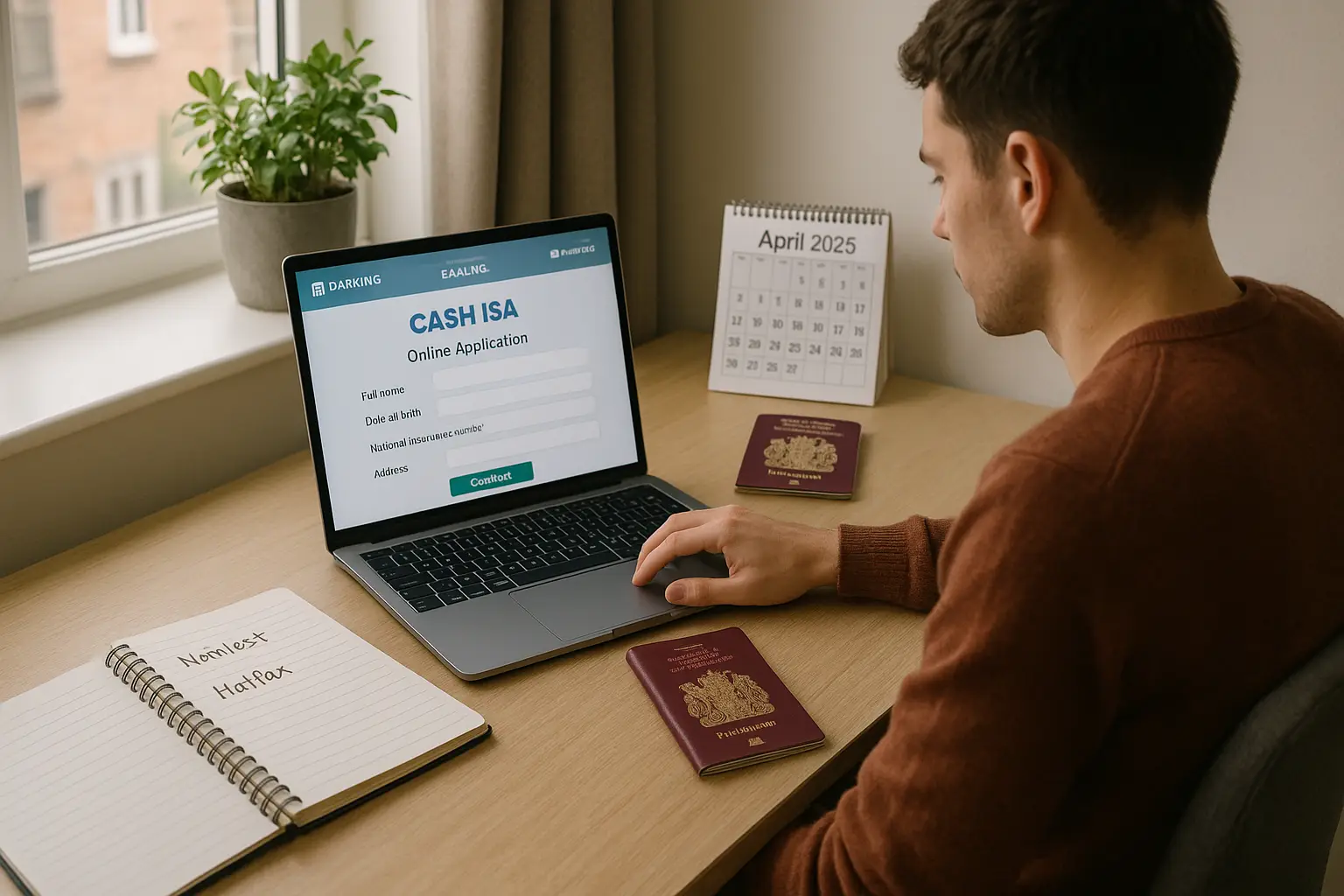
Opening a high-yield savings account online takes just 5-10 minutes and requires only a smartphone or computer with internet access. Start by researching providers to find the best rates, then gather your documents and apply directly on their secure website or app.
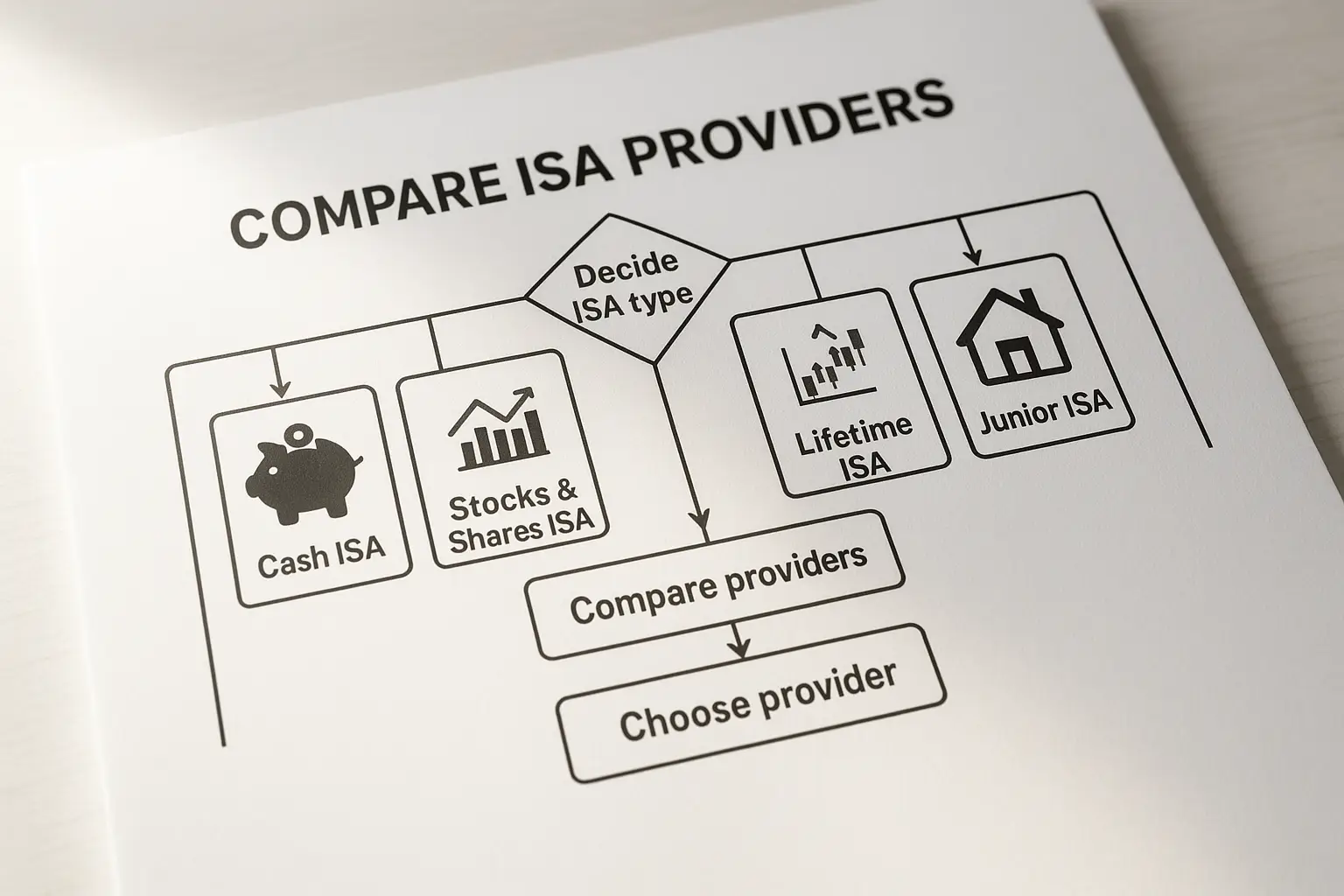
First, choose a FSCS-protected bank like Marcus or Chase UK by comparing AER and minimum deposits on sites like MoneySavingExpert. Next, visit the provider’s site and select “open a high yield savings account online”; fill in personal details including National Insurance number for tax purposes. Verify your identity via app-based photo ID or bank transfer confirmation. Finally, fund the account by linking your current account and transferring as little as £1—many have no minimum. The process is fully digital, with instant approval for most UK residents.
- Compare providers using tools for best savings rates.
- Gather ID: passport, address proof, and debit card details.
- Complete the online form, agreeing to terms on interest and withdrawals.
- Verify via selfie or code sent to your phone.
- Transfer funds and start earning interest immediately.
For more on how to choose a savings account, consider your withdrawal needs.
Best UK banks for high-yield savings
Top UK providers offer competitive rates with easy online access, all protected by FSCS. Focus on AER, fees (usually none), and app usability when deciding where to open a high yield savings account.
| Bank | AER (as of Oct 2025) | Minimum Deposit | FSCS Protected |
|---|---|---|---|
| Marcus by Goldman Sachs | 4.75% | £1 | Yes |
| Chase UK | 4.10% | £0 | Yes |
| Atom Bank | 4.90% | £50 | Yes |
| Citizens Advice recommended options | Up to 5.00% | £1 | Yes |
Rates sourced from NerdWallet’s October 2025 update. For detailed savings account rates comparison, review variable factors like balance tiers. Avoid US-only banks like Ally when searching how to open Ally high-yield savings account, as they aren’t available in the UK—opt for local alternatives instead.
Special cases: joint, child, or business accounts
Joint accounts allow two people to open a high yield savings account together, sharing ownership and interest—useful for couples building emergency funds. The process mirrors individual setup but requires both parties’ ID; tax is split via Personal Savings Allowance (up to £1,000 for basic-rate taxpayers). In the UK, each gets £85,000 FSCS cover.
Children under 16 cannot open personal high-yield savings accounts alone; parents must use junior ISAs or child savings with rates up to 4.5%. For businesses, eligibility starts at sole traders with proof of company registration, often needing higher minimums like £1,000.
Tips for maximising your savings
Set up monthly auto-transfers to build your balance quickly, and review rates quarterly as they fluctuate with economic changes. Consider tax-free Cash ISAs for balances over £20,000 to avoid the 20% tax on interest. When to open a high yield savings account? Now, if rates are high, but monitor via FCA updates.
For why open a high yield savings account, it beats inflation—unlike regular accounts at 1-2%, high-yield ones preserve purchasing power. Should I open a high yield savings account? Yes, if you have spare cash not needed immediately, as it’s low-risk with better yields than current accounts.
Frequently asked questions
How much money do I need to open a high-yield savings account?
Most UK high-yield savings accounts require a minimum deposit of just £1 or even £0, making them accessible for beginners building an emergency fund. For example, Chase UK has no minimum, while Atom Bank asks for £50 to start earning interest. Always check for balance thresholds that affect rates; low-entry options encourage starting small and adding over time, but aim for at least three months’ expenses to maximise benefits.
Are high-yield savings accounts safe in the UK?
Yes, high-yield savings accounts from authorised UK banks are protected up to £85,000 per person by the FSCS, a government-backed scheme that compensates savers if the provider fails. Unlike riskier investments, your principal is secure, and interest is earned daily, but choose easy-access types to avoid withdrawal limits. For extra security, diversify across multiple FSCS-protected institutions if your savings exceed the limit, ensuring peace of mind in uncertain times.
What’s the difference between a high-yield savings account and a regular savings account?
High-yield accounts pay significantly higher AER—up to 5.00% versus 1-2% on regular ones—due to online-only models with lower overheads. Regular accounts often tie funds for fixed terms with penalties for early access, while high-yield easy-access versions allow instant withdrawals. For UK savers, this means better growth for liquid cash, though non-ISA high-yield interest may be taxable above your Personal Savings Allowance, unlike potentially tax-free regular ISAs.
Can I open a high-yield savings account with bad credit?
Absolutely, most basic high-yield savings accounts do not involve credit checks, focusing instead on identity verification for anti-money laundering compliance. Providers like Marcus accept applicants with poor credit histories as long as you’re a UK resident over 18. However, if linking to a current account or applying for premium features, a soft credit search might occur—shop around using eligibility checkers on MoneySavingExpert to avoid hard inquiries impacting your score further.
Can you open a joint high-yield savings account?
Yes, joint high-yield savings accounts are available from most UK providers, allowing couples or family members to pool funds and share interest earnings. The online application requires ID from both parties, and setup takes slightly longer due to dual verification. Tax-wise, interest is split equally for Personal Savings Allowance purposes, but consider joint ISAs for tax efficiency; always confirm FSCS covers each holder up to £85,000 to protect shared savings.
How to choose the best high-yield savings account in the UK?
Compare AER, minimum deposits, and withdrawal flexibility using tools from trusted sites, prioritising FSCS protection and no fees. For advanced users, evaluate variable vs fixed rates—variable suits short-term needs amid 2025’s potential base rate cuts. Factor in app usability and customer service; top picks like Atom Bank excel for tech-savvy savers, while balancing with your risk tolerance and tax status ensures optimal returns without unnecessary complexity.