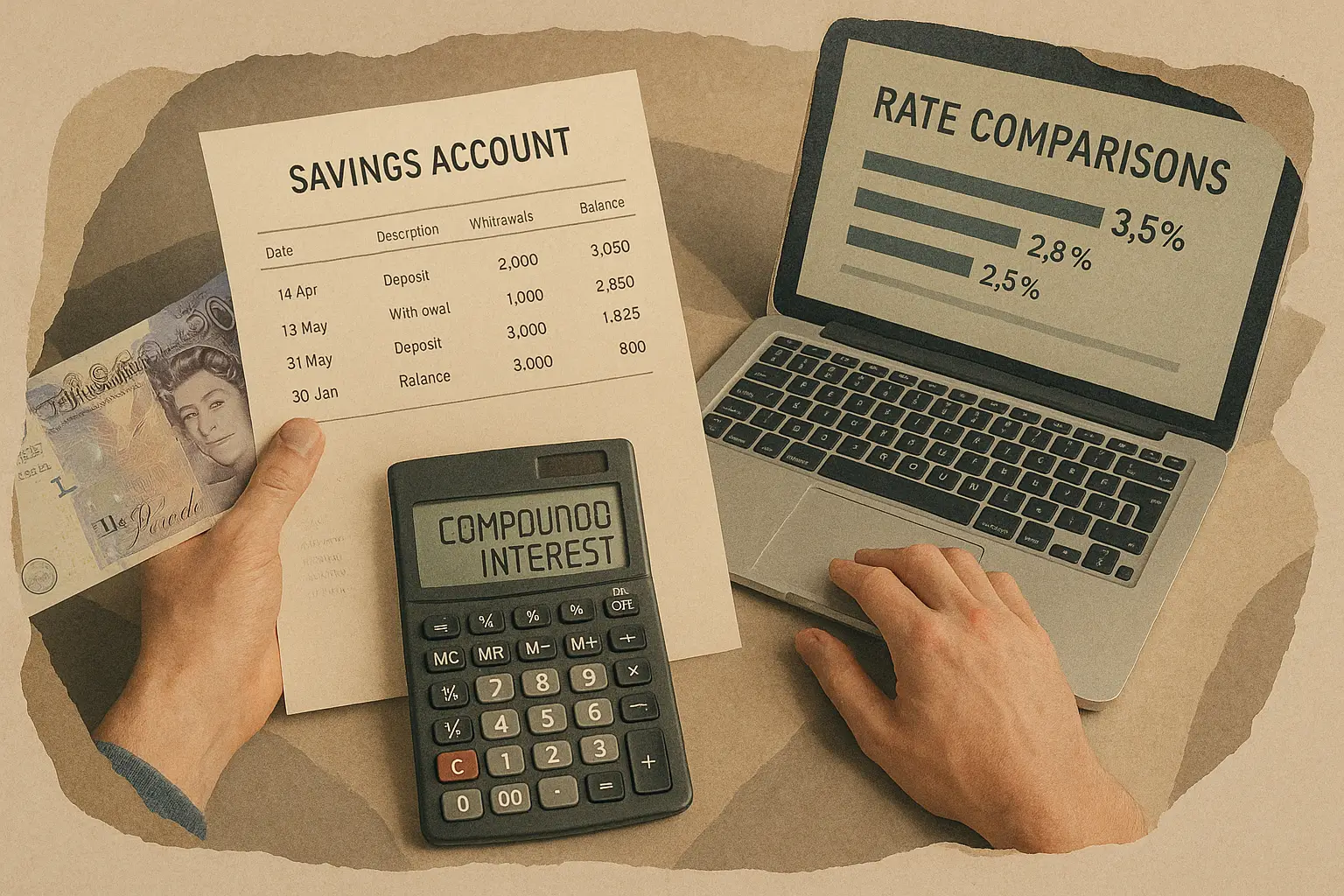

Quick tip: If you’re a basic rate taxpayer earning £1,000 in interest outside an ISA, you might owe £200 in income tax. A Cash ISA shields that entirely, boosting your net returns significantly.
What is a Cash ISA and how does it work?
A Cash ISA, or individual savings account, lets UK residents save up to £20,000 a year tax-free. It works by allowing your money to earn interest without HMRC taking a cut, making it a cornerstone for building savings securely. To open one, you need to be 18 or over and a UK resident; simply choose a provider, complete the application, and deposit funds.
Eligibility is straightforward for most adults, but civil partners or those with specific financial statuses should check rules via official sources. Cash ISAs come in types like easy access for flexible withdrawals or fixed-rate for locked-in higher returns.
Key types of Cash ISAs
- Easy access: Withdraw anytime without penalties, ideal for emergency funds.
- Fixed-rate: Commit for a term (e.g., one year) for guaranteed interest rates.
- Limited access: Fewer withdrawals but higher rates than easy access.
For more on opening, see the GOV.UK guide on how ISAs work.
Tax-free growth: the primary benefit
The standout advantage of a Cash ISA is its tax exemption on interest, letting your savings compound without deductions. Unlike regular savings accounts where interest counts as taxable income, Cash ISAs protect every penny of growth, especially valuable as interest rates rise.
Compared to the personal savings allowance—£1,000 tax-free for basic rate taxpayers—a Cash ISA offers unlimited tax-free earnings. For higher earners, where the allowance drops to £500, the benefits are even clearer; you avoid paying tax on interest entirely.
Long-term compounding advantages
Over time, tax-free status amplifies returns. For instance, £10,000 at 4% interest grows to £12,166 after five years in a Cash ISA, versus £11,806 after tax in a standard account for a basic rate taxpayer.
This edge grows with larger sums or longer horizons, underscoring why understanding the benefits of a Cash ISA is key for savers.
Maximizing your £20,000 annual allowance
You can contribute up to £20,000 per tax year (6 April to 5 April) across all ISAs, with no limit on how much goes into a Cash ISA. This allowance resets annually, so yes, you can put £20,000 in an ISA every year if eligible.
You may hold multiple Cash ISAs from different providers, but only one new Cash ISA per tax year. Transfers between providers preserve your allowance, allowing switches for better rates without penalty.
For detailed rules, consult MoneyHelper’s explanation of Cash ISAs.
Contribution rules at a glance
| Aspect | Details |
|---|---|
| Annual limit | £20,000 for 2024/25 tax year |
| Eligibility | UK residents aged 18+ |
| Multiple accounts | Allowed, one new per type per year |
| Transfers | Tax-free, doesn’t use allowance |
Link to our pillar on best cash isa options.
Current rates and returns in 2025
As of October 2025, top easy access Cash ISA rates hit 4.51% AER, far outpacing many standard savings accounts after tax. Fixed-rate options offer up to 4.27% for one-year terms, providing stability amid fluctuating interest rates.
These tax-free rates make Cash ISAs attractive, especially with recent Bank of England base rate changes. To compare, see MoneySavingExpert’s best Cash ISAs guide, which highlights top performers.
For strategies, check our guide on how to choose a cash isa.
Rate comparison table
| Provider | Type | AER (%) | Min Deposit |
|---|---|---|---|
| Example Bank | Easy Access | 4.51 | £1 |
| Sample Building Society | 1-Year Fixed | 4.27 | £500 |
| Another Provider | Limited Access | 4.20 | £100 |
Cash ISA vs other savings options
A Cash ISA beats regular savings accounts on tax efficiency, though standard accounts may offer similar headline rates. The key difference: interest in non-ISA savings counts toward your personal savings allowance and may incur income tax.
Versus stocks and shares ISAs, Cash ISAs provide capital stability without stock market risks, ideal for conservative savers. Lifetime ISAs suit first-time buyers with a 25% government bonus, but Cash ISAs offer broader flexibility.
Explore cash isa vs stocks and shares isa for deeper insights.
Recent trends and potential changes
UK savers deposited a record £103 billion into ISAs in 2023-24, spurred by fears of allowance cuts, with £4.2 billion in Cash ISAs in March 2025 alone. Rumours suggest the £20,000 limit could halve in the 2025/26 tax year, prompting a rush to maximize current benefits.
Expert Martin Lewis advises prioritizing high-rate Cash ISAs for tax-free growth. For updates, read The Guardian’s report on ISA trends.
Frequently asked questions
What is the difference between a Cash ISA and a regular savings account?
A Cash ISA offers tax-free interest, while regular savings accounts tax earnings above your personal savings allowance. This makes Cash ISAs superior for larger sums or higher earners, as you keep all growth without HMRC deductions. Regular accounts provide similar accessibility but lose appeal with rising interest rates, potentially pushing you into taxable income brackets.
How much can I put in a Cash ISA each year?
The ISA allowance for 2024/25 is £20,000, covering all ISA types including Cash ISAs. You can allocate the full amount to a single Cash ISA if desired, and it renews each tax year from 6 April to 5 April. Exceeding this voids excess contributions from tax protection, so track via HMRC to avoid penalties.
Are Cash ISAs worth it in 2025?
Yes, with rates up to 4.51% AER tax-free, Cash ISAs outperform taxable alternatives for most savers amid potential allowance cuts. They suit conservative strategies, protecting against income tax on interest as rates hold steady. However, if you’re a low saver under the personal allowance, a high-yield regular account might suffice short-term.
What happens if I withdraw from a Cash ISA?
Withdrawals from easy access Cash ISAs are penalty-free and don’t affect your allowance, maintaining tax-free status on remaining funds. Fixed-rate versions may charge penalties, reducing access for locked terms. Replaced funds count toward the next year’s allowance, so plan carefully to maximize benefits.
Can I transfer a Cash ISA to another provider?
Yes, transfers are tax-free and preserve your ISA status without using your annual allowance. Contact the new provider to initiate; it can take weeks, so avoid withdrawing first to prevent tax issues. This flexibility lets you chase better cash ISA rates seamlessly.
What are the benefits of a Cash ISA for higher rate taxpayers?
Higher rate taxpayers save 40% on interest via Cash ISAs, far exceeding the £500 personal savings allowance. For example, £5,000 interest outside an ISA incurs £2,000 tax, but zero inside, compounding advantages over time. This makes Cash ISAs essential for protecting larger savings from income tax hikes.
How do Cash ISA interest rates compare to inflation in 2025?
Top Cash ISA rates of 4.51% exceed recent UK inflation around 2-3%, offering real growth tax-free. Unlike taxable accounts, this full return combats rising costs effectively for long-term savers. Monitor economic shifts, as base rate changes could adjust rates further.
For current comparisons, visit our cash isa rates guide.