
What is a savings account?
A savings account is a secure place to store and grow your money through interest, separate from everyday spending. Unlike a current account, it focuses on earning returns rather than frequent transactions, making it ideal for building an emergency fund or saving for goals. In the UK, these accounts are regulated to protect depositors, with features like variable or fixed interest rates and easy access options.
Definition and key features
At its core, a savings account allows you to deposit money that a bank or building society holds and pays interest on, typically calculated as a percentage of your balance known as the annual equivalent rate (AER). Key features include minimum deposit requirements, which can start from £1, and limits on withdrawals depending on the type. Interest is often compounded, meaning earnings generate further interest over time, helping your money grow faster.
Difference from current accounts
Current accounts are designed for daily use, offering debit cards, overdrafts, and direct debits but usually little to no interest. Savings accounts, however, prioritise growth with higher interest rates and restrict transactions to encourage saving. For example, NatWest explains that while current accounts handle bills, a savings account like their options focuses on protection and returns, as detailed on their site.
UK regulatory protections
In the UK, savings accounts are safeguarded by the Financial Services Compensation Scheme (FSCS), which protects up to £85,000 per person per institution if the provider fails. This applies to most banks and building societies, ensuring your money is safe without needing private insurance. As noted by Investopedia in 2025, this limit covers standard deposits but not investments, providing peace of mind for savers.
How does a savings account work?
A savings account works by letting you deposit funds that earn interest over time, with access varying by type; you open one online or in-branch, fund it via transfer, and watch your balance grow through regular or compounded interest credits. Withdrawals are possible but may incur limits or penalties, depending on the account’s rules. This simple mechanism helps separate savings from spending, promoting financial discipline.
Opening and funding
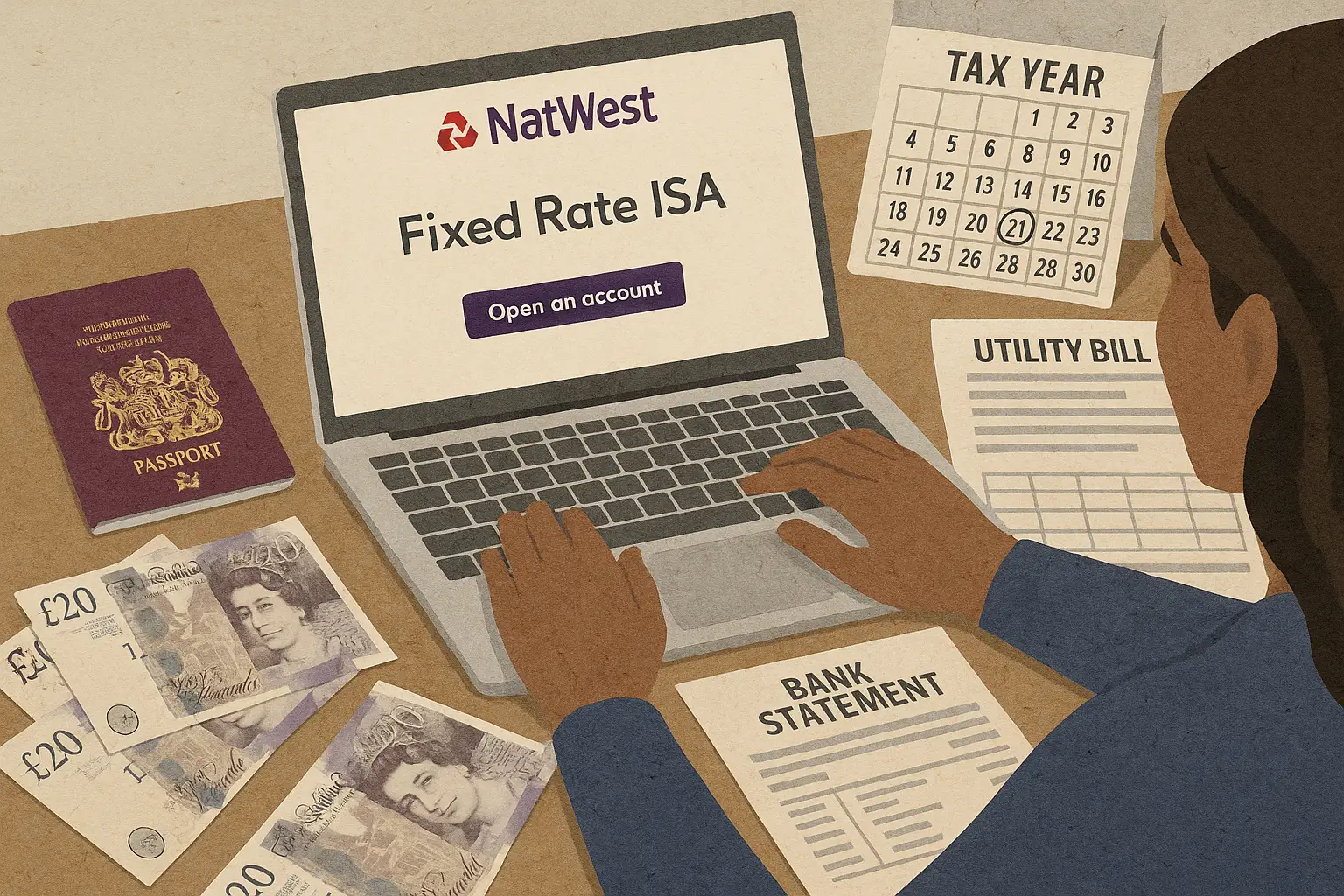
To open a savings account, you typically need to be over 18, provide ID like a passport, and prove your address; many providers like HSBC allow instant online setup. Funding is straightforward—transfer from your current account, with minimums ranging from nothing to £10,000. The process, guided by FCA rules, takes minutes for digital banks like Monzo.
Earning interest
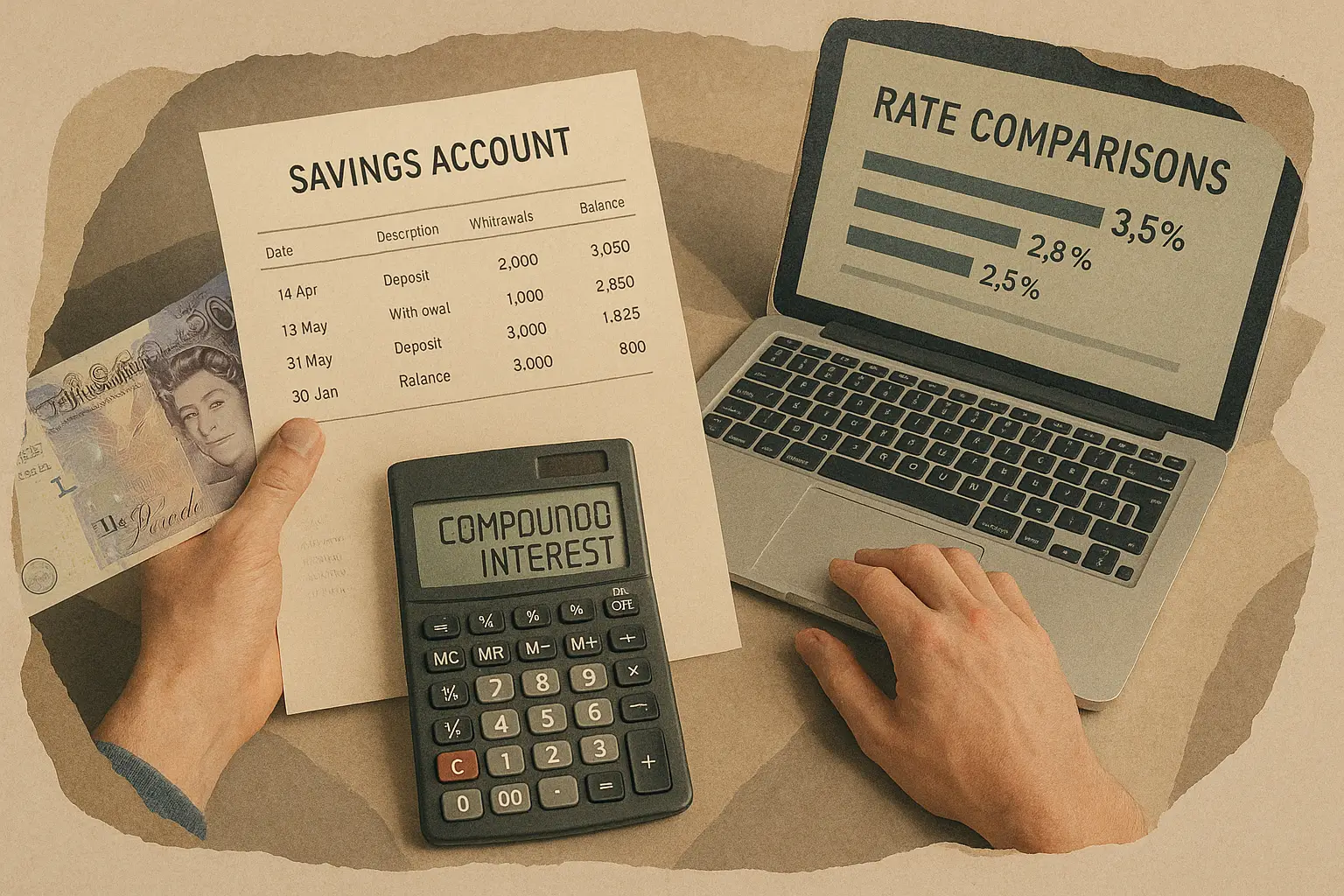
Interest accrues daily or monthly on your balance and is added to the account, often compounded annually. For instance, at a 4.5% AER on £1,000, you’d earn about £45 yearly, but rates vary; top easy access accounts offered 4.5% AER in October 2025, according to MoneySavingExpert. Compound interest works by calculating on the growing balance, so over time, your earnings accelerate—e.g., £1,000 at 4% compounded annually becomes £1,480 in five years.
Withdrawals and access types
Access types determine flexibility: easy access allows anytime withdrawals without notice, while fixed-rate bonds lock funds for a term. Instant access savings accounts, similar to easy access, let you withdraw immediately but may have variable rates. Always check for penalties, as early withdrawal from fixed accounts can reduce interest.
Types of savings accounts in the UK
UK savings accounts come in various types to suit different needs, from flexible easy access for short-term goals to fixed-rate for committed saving. Regular savers reward monthly deposits with higher rates, while specialised options like child or joint accounts cater to families. Choosing depends on your timeline and liquidity requirements.
Easy access
Easy access savings accounts offer flexibility with no withdrawal limits, ideal for emergency funds. Rates are variable, currently around 4.5% AER for top options in 2025, but can change with Bank of England base rates. Providers like the Post Office provide these with FSCS protection.
Fixed-rate
Fixed-rate savings accounts guarantee a set interest rate for a fixed term, like one or five years, protecting against rate drops. They suit those with lump sums, offering stability but penalising early access. Expect rates up to 4.55% for short terms in 2025.
Regular savers
Regular savings accounts encourage monthly deposits, often capped at £250-£500, yielding up to 7.5% in 2025 for limited periods, per MoneySavingExpert. They’re great for building habits but may limit withdrawals to avoid penalties. MoneyHelper details how these promote disciplined saving.
Child and joint accounts
Child savings accounts help parents save for kids, with tax-free growth and rates similar to adult easy access. Joint savings accounts allow shared ownership, useful for couples, with equal access rights. Both are FSCS-protected, and options like Nationwide’s child accounts start young savers early.
| Type | Access | Interest rate range (2025) | Minimum deposit | Suitability |
|---|---|---|---|---|
| Easy access | Anytime | Up to 4.5% AER | £1-£100 | Emergency funds |
| Fixed-rate | End of term | 3.5%-4.55% AER | £1,000+ | Long-term goals |
| Regular saver | Limited withdrawals | Up to 7.5% AER | £10/month | Habit building |
| Child/joint | Easy or fixed | 2%-5% AER | £1 | Families/couples |
Benefits and considerations
Savings accounts provide steady growth through interest, security via FSCS, and flexibility for various life stages, but consider tax on earnings and inflation risks. The average UK household holds £16,067 in savings as of 2025, per Finder, showing widespread use. To maximise benefits, align the type with your goals and monitor rates regularly.
Interest earnings
Earnings come from interest rates, with high interest savings accounts UK offering competitive AERs. Compound interest boosts returns, but actual gains depend on balance and rate. For high-yield options, explore best savings account guides, though rates fluctuate.
Tax rules
Interest is taxable above the Personal Savings Allowance (PSA): £1,000 tax-free for basic-rate taxpayers in 2025/26, per GOV.UK. HMRC may send savings account tax letters if you exceed limits, so track earnings. For more, see official commentary. Consider ISAs for tax-free alternatives.
Risks and tips for choosing
Risks include low rates not beating inflation or provider failure beyond FSCS limits. Tips: Check AER, FSCS coverage, and fees; diversify across institutions.
- Match access to needs—easy for flexibility, fixed for security.
- Compare AER, not headline rates.
- Stay under £85,000 per bank for full protection.
- Review annually as rates change.
Frequently asked questions
What is the difference between a savings account and a current account?
A savings account earns interest on deposits with limited transactions, focusing on growth, while a current account handles daily banking like payments and withdrawals with minimal interest. Savings accounts often have no chequebook or debit card access to discourage spending, making them better for long-term saving. In the UK, current accounts may offer overdrafts, but savings prioritise security and returns, as explained by NatWest.
How much interest do savings accounts pay?
Savings account interest rates vary, with easy access at up to 4.5% AER and regular savers reaching 7.5% in 2025 for capped deposits. Earnings depend on your balance—for £10,000 at 4%, you’d gain £400 yearly, compounded. Rates are influenced by the Bank of England base rate, so check current figures on sites like MoneySavingExpert for the best interest savings account options.
Are savings accounts safe in the UK?
Yes, UK savings accounts are safe up to £85,000 per person per institution via FSCS protection against provider failure. This covers authorised banks and building societies, but not if you exceed limits or choose unauthorised firms. As a beginner, sticking to FSCS members ensures security, with no risk to principal unlike stocks.
What is the best savings account for beginners?
For beginners, an easy access savings account offers simplicity with instant withdrawals and competitive rates around 4-5% AER in 2025. Start with low minimum deposits from providers like digital banks for app-based management. Focus on FSCS protection and no fees to build confidence without complexity.
How does compound interest work in savings accounts?
Compound interest calculates earnings on both principal and previous interest, accelerating growth—e.g., £5,000 at 4% AER compounds to £5,408 after one year. It’s typically added monthly or annually, boosting long-term savings like the average £16,067 UK balance. This ‘interest on interest’ makes regular deposits powerful, but low rates limit impact if inflation erodes value.
What are HMRC savings account tax warnings about?
HMRC issues savings account tax warnings or letters if your interest exceeds the PSA, like £1,000 for basic-rate taxpayers, prompting self-assessment. These ensure compliance, especially with rising rates in 2025 potentially pushing more into taxable brackets. Track via bank statements and consult GOV.UK to avoid penalties on high interest savings accounts UK.
This article is for informational purposes only and not financial advice. Rates and rules can change; consult a professional for personal situations. Updated October 2025.